





설명
설명 없음환경 설정
DEFECT INSPECTIONOEM 모델 설명
The Applied UVision® 4 wafer Inspection system was introduced in 2010, enabling customers to detect yield-limiting defects in the critical patterning layers of 32nm and below logic and memory devices using DUV laser-based imaging technology. The UVision 4 system’s extendable architecture of high-power polarized deep ultra-violet laser, optimized scattered light collection, and advanced noise reduction capabilities, addresses the inspection challenges of 32nm and below with optical inspection capabilities beyond the resolution limits of conventional brightfield (BF) inspection. Innovative algorithms enable simultaneous detection of systematic mask induced defects (i.e., "haze" defects) and random defects at production worthy throughput made possible by an enhanced image processor. Wide dynamic range detection schemes eliminate the multiple region-specific scans previously required, enabling regions of a chip with differing contrasts to be imaged with optimal sensitivity in a single pass without compromising throughput.문서
문서 없음

카테고리
Defect Inspection
마지막 검증일: 60일 이상 전
주요 품목 세부 정보
조건:
Used
작동 상태:
알 수 없음
제품 ID:
137335
웨이퍼 사이즈:
12"/300mm
빈티지:
알 수 없음
Logistics Support
Available
Transaction Insured by Moov
Available
Refurbishment Services
Available
유사 등재물
모두 보기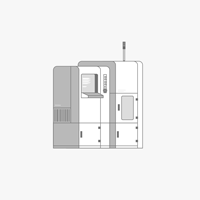
APPLIED MATERIALS (AMAT)
UVISION 4
카테고리
Defect Inspection
마지막 검증일: 60일 이상 전


주요 품목 세부 정보
조건:
Used
작동 상태:
알 수 없음
제품 ID:
137335
웨이퍼 사이즈:
12"/300mm
빈티지:
알 수 없음
Logistics Support
Available
Transaction Insured by Moov
Available
Refurbishment Services
Available
설명
설명 없음환경 설정
DEFECT INSPECTIONOEM 모델 설명
The Applied UVision® 4 wafer Inspection system was introduced in 2010, enabling customers to detect yield-limiting defects in the critical patterning layers of 32nm and below logic and memory devices using DUV laser-based imaging technology. The UVision 4 system’s extendable architecture of high-power polarized deep ultra-violet laser, optimized scattered light collection, and advanced noise reduction capabilities, addresses the inspection challenges of 32nm and below with optical inspection capabilities beyond the resolution limits of conventional brightfield (BF) inspection. Innovative algorithms enable simultaneous detection of systematic mask induced defects (i.e., "haze" defects) and random defects at production worthy throughput made possible by an enhanced image processor. Wide dynamic range detection schemes eliminate the multiple region-specific scans previously required, enabling regions of a chip with differing contrasts to be imaged with optimal sensitivity in a single pass without compromising throughput.문서
문서 없음